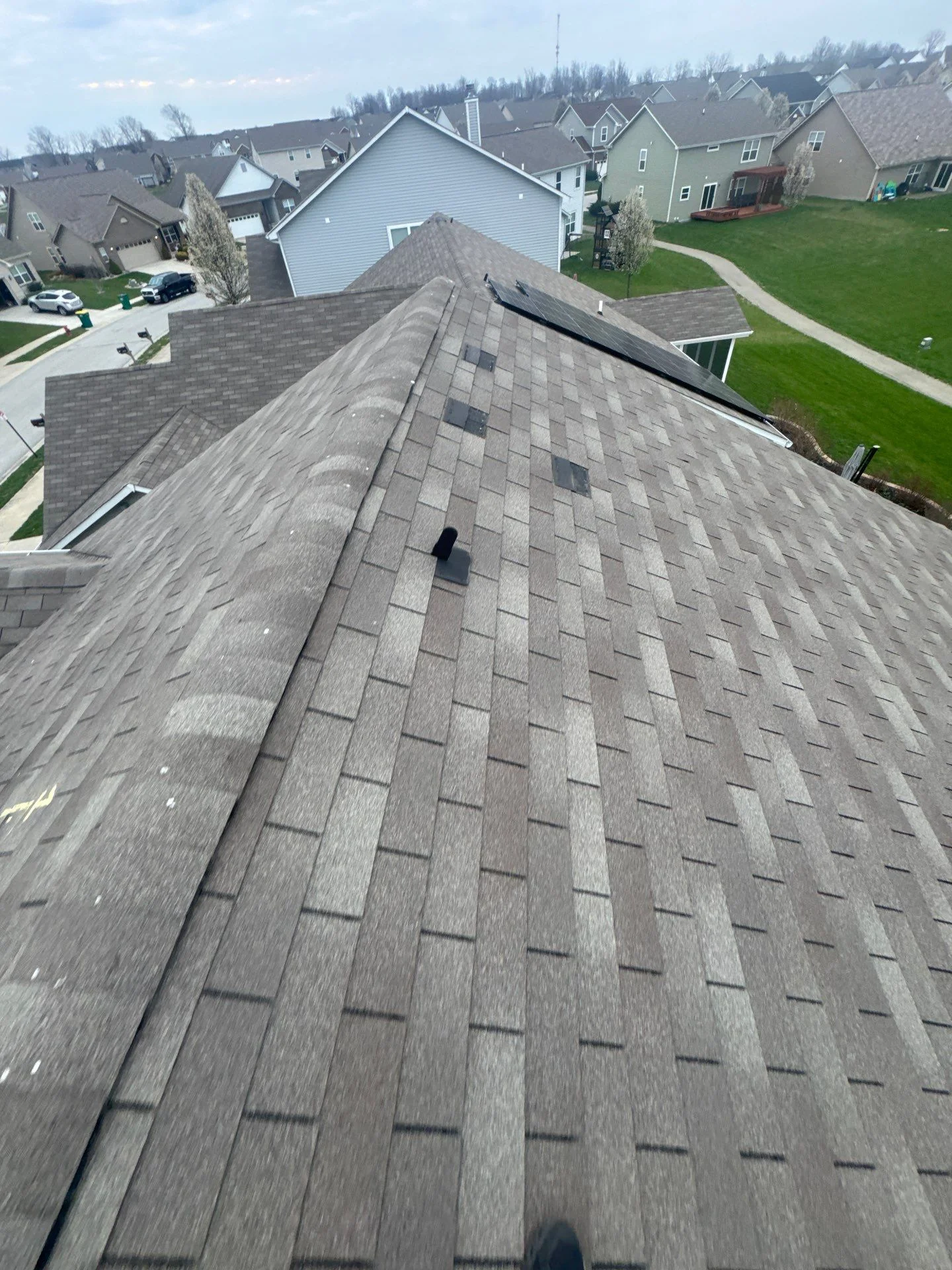
What actually counts as a green roof?
The term covers more ground than most people expect. A true vegetated green roof, the kind with soil and plants, is one category, but it is rare on residential homes in Carmel because of the structural load. The broader definition includes cool roofs that reflect sunlight, recyclable materials like metal and certain asphalt shingles, solar-integrated systems, and roofs designed for better ventilation and energy performance. When a homeowner tells us they want something green, we usually start by asking what outcome matters most: lower energy bills, longer lifespan, recyclable end-of-life, or carbon footprint during manufacturing. The answer points to very different products. A roof that scores well on recycled content may not be the same roof that scores well on energy performance, and a system that excels at stormwater management may be impractical on a steep-sloped home. At Carmel Roofer, we treat green as a spectrum of choices, not a single product line, and we walk through each tradeoff with the homeowner before pricing anything.
Are cool roof shingles worth it in Central Indiana?
Cool roof shingles use reflective granules to bounce solar heat instead of absorbing it. In hot southern climates, the savings on cooling costs can be real and measurable. In Carmel, the math is more nuanced. Our cooling season runs roughly four months, and our heating season is longer and more expensive. A reflective roof can shave 7 to 15 percent off summer attic temperatures, which translates to modest AC savings, but it does not magically lower your gas bill in February. We tell homeowners cool shingles make sense if your attic ventilation is already solid and you have a west or south-facing roof that bakes in the afternoon. If your attic is poorly ventilated, fixing the airflow first will give you a bigger return than swapping shingle color. Color choice also matters less than people assume once you get past the lightest options, because the reflective performance comes from the granule technology, not just the visible shade. A medium-toned cool shingle can outperform a plain white standard shingle in lab testing. You can read more about that in our breakdown of roof ventilation problems.
What incentives are available for Carmel homeowners?
The federal residential clean energy credit currently covers 30 percent of qualified solar installations through 2032, including solar shingles and panels paired with a roof replacement on the portion tied to the solar system. Some Indiana utilities offer rebates for high-efficiency upgrades, and a Class 4 impact-resistant roof can earn an insurance discount in many policies. We help homeowners document everything correctly, and we coordinate with your installer if solar is part of the plan. The paperwork is not glamorous, but it is where real dollars sit.
How much more does a green roof cost upfront?
Pricing depends entirely on which version of green you mean. Cool shingles add roughly 10 to 20 percent over standard architectural shingles. Metal runs 2 to 3 times asphalt. Solar adds anywhere from 15,000 to 35,000 depending on system size. Vegetated systems on commercial buildings can run 20 to 30 dollars per square foot installed. We never quote green-for-the-sake-of-green. If a product does not return its premium in energy savings, longevity, or insurance benefits over your ownership horizon, we say so.
How do you decide which green option fits your home?
The honest answer starts with how long you plan to stay, what your roof faces, and what your current energy bills look like. A homeowner planning to sell in three years gets different advice than one settling in for the next twenty. South and west exposures benefit more from reflective products, while heavily shaded roofs gain almost nothing from cool shingles and should focus on durability and recyclability instead. We also look at the existing deck, ventilation, and insulation, because pairing a premium roof with a leaky attic wastes money. When Carmel Roofer walks a roof in Carmel, we bring all of these factors into one conversation so the recommendation matches the house, not a sales script.
Is metal roofing really the most sustainable choice?
Metal has the strongest green credentials of any common residential roofing material. Most steel and aluminum panels contain 25 to 95 percent recycled content, and at the end of a 50 year life they are 100 percent recyclable. Compare that to asphalt shingles, where the U.S. sends roughly 11 to 13 million tons to landfills every year. Metal also reflects more solar heat than dark asphalt, handles Indiana hail better when you choose the right gauge, and pairs well with solar panels because it usually outlasts the panels themselves. The downside is upfront cost, typically two to three times an architectural shingle install. If you plan to stay in your home 15 plus years, the lifecycle math often favors metal. There is also a quieter benefit worth mentioning: metal panels are light enough that they can often be installed over an existing single layer of shingles, eliminating tear-off waste entirely on the right project. Our metal roofing service page walks through the specific profiles we install and what each one costs.
Can a vegetated green roof work on a home in Carmel?
Rarely on a sloped residential roof, occasionally on a flat addition, garage, or commercial building. Vegetated systems add 15 to 50 pounds per square foot saturated, which means structural reinforcement on most existing buildings. The benefits are real: stormwater management, urban heat reduction, and a 40 plus year membrane lifespan because the plants protect it from UV. For commercial property owners with flat roofs in Carmel, it can pencil out, especially when paired with stormwater fee reductions. We handle these projects through our commercial division and always start with a structural review.
Do recycled-content asphalt shingles perform as well as standard ones?
Some manufacturers now offer shingles with recycled content in the backing or granules, and the performance is essentially identical to their standard lines. The bigger sustainability story for asphalt is end-of-life recycling. Old shingles can be ground up and used in road paving, and a few Indiana facilities accept them. When we tear off a roof, we will tell you whether local recycling is an option for that job. Asphalt is not the greenest material on the market, but a Class 4 impact-resistant shingle that lasts 25 to 30 years and survives hail without a claim has a smaller footprint than a cheap roof you replace twice in the same window.
What about solar shingles versus traditional panels?
Solar shingles look cleaner than rack-mounted panels and integrate directly into the roof deck, but they currently produce less power per square foot and cost significantly more per watt installed. For most Carmel homeowners, traditional panels on a quality shingle or metal roof remain the better value. Solar shingles make sense when aesthetics rule, an HOA prohibits panels, or you are doing a full replacement anyway and want a unified look. We dig into the tradeoffs in our comparison of solar shingles vs panels, including production data and real install pricing.